
Dental Implants Penrith — Replace Missing Teeth Permanently
A missing tooth doesn’t just affect your smile — it can change how you chew, speak and how nearby teeth shift over time. An implant restores function and helps protect your long-term oral health.
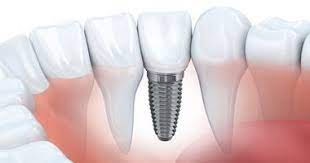
A long-term, natural-looking solution that lasts for years
Dental implants restore your bite, protect neighbouring teeth and bring back a confident smile.
Benefits of Dental Implants
Looks & feels natural
Custom crowns are shade-matched to your own teeth for a seamless smile.
Protects your jawbone
Implants stimulate the bone like a natural root, helping prevent bone loss.
Eat what you love
A stable, fixed bite lets you chew comfortably without slipping.
Built to last
With simple care, implants can last many years — often decades.
Protects nearby teeth
Unlike a bridge, implants don't rely on grinding down healthy teeth.
Why Choose Penrith Dental Care for Your Implants?
At Penrith Dental Care, you come first. We listen carefully, explain every option in plain language, and design a dental implants plan built around your comfort, your budget and your long-term oral health — so you can smile with confidence.
Personalised care
We take the time to understand what matters to you and treat every patient with the same care we'd give our own family.
Plain-language options
We walk you through every option — including the alternatives — with no jargon and no pressure, so the final decision is always yours.
Long-term results
Gentle, unhurried treatment and careful aftercare designed to protect your smile and keep it healthy for years to come.

How Do Dental Implants in Penrith Work?
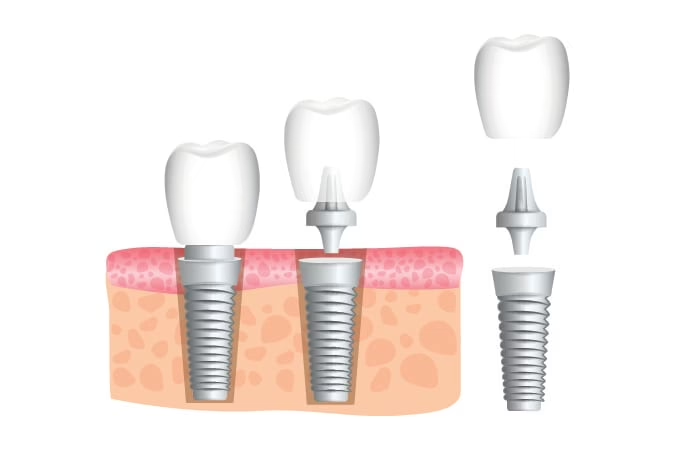
A small titanium post is gently placed into the jawbone to act as a new tooth root. Most patients are surprised how comfortable this step is.
Over a few months the post fuses naturally with your bone, creating a strong, stable foundation — just like a real root.
A custom-made crown is fitted on top, matched to your natural teeth so you can smile, eat and speak with confidence.
Frequently Asked Questions
Are dental implants painful?
The area is fully numbed, so most patients feel little to no pain during the procedure. Any mild tenderness afterwards can usually be managed with simple over-the-counter pain relief.
How long do dental implants last?
With good oral hygiene and regular check-ups, dental implants can last many years — often a lifetime — making them a long-term solution for missing teeth.
Am I a candidate for dental implants?
Most people in good general and oral health are suitable candidates. The suitable way to know for sure is a consultation, where we assess your gums, bone and overall health.
What is the cost of dental implants Penrith?
The cost depends on your individual needs and how many implants are involved. We’ll talk you through the full cost and payment options openly before any treatment begins.
How long does the dental implant process take?
It varies, but most implant journeys take a few months from placement to final crown, because we allow time for the implant to fuse securely with your bone. We’ll give you a clear, personalised timeline at your consultation.
Are dental implants better than dentures?
Both can replace missing teeth, but implants are fixed in place and help preserve your jaw bone, so many patients find they feel and function more like natural teeth. The right choice depends on your needs — we’ll help you weigh up the options.
Ready to Restore Your Smile?
Why an Implant Protects More Than Your Smile
A dental implant is the only option that replaces the tooth root as well as the visible crown. That matters, because a missing tooth left unreplaced sets off changes you can’t see:
- The jaw bone shrinks where the tooth root used to be.
- Neighbouring teeth drift into the open space.
- Your bite changes over time, straining the remaining teeth.
By anchoring into the jaw, an implant keeps the bone stimulated and everything in its proper place — protecting your long-term oral health in a way other options can’t.
Not sure an implant is right for you? It’s worth exploring dental bridges or dentures as alternatives. For more information, visit the Australian Dental Association or Healthdirect Australia.