
Tooth extraction pain is normal for the first few days after a tooth is removed. Soreness is usually strongest in the first two or three days and then eases, and the wound usually takes up to two weeks to heal. This guide explains what to expect, how to manage the pain, and the signs that mean you should call your dentist.
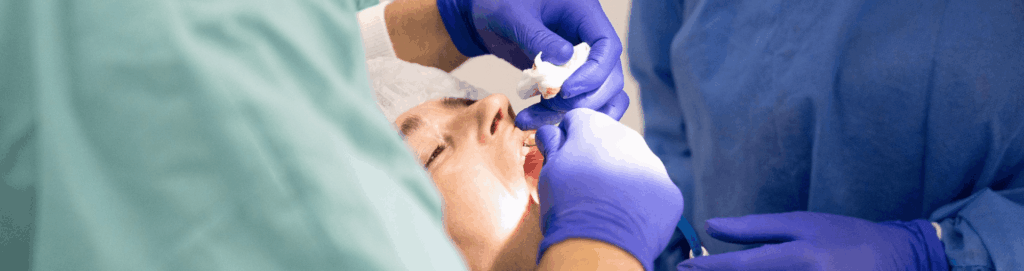
How long does pain last after a tooth extraction?
Once the anaesthetic wears off, expect an ache in the socket and some tenderness in the jaw. For a straightforward extraction this is usually worst over the first two to three days and improves each day after that. After a surgical extraction or the removal of wisdom teeth, swelling, a stiff jaw and soreness can last longer.
The pattern matters more than the number of days. Pain that is slowly getting better is normal. Pain that gets worse after the first few days is not.
How to reduce pain after a tooth is removed
- Pain relief. Take the pain relief your dentist recommended, as directed. Start before the numbness wears off if you have been told to.
- Cold pack. Hold an ice pack wrapped in a cloth against your cheek for short periods on the first day to help with pain and swelling.
- Rest. Take it easy for 24 hours and avoid sport and heavy exercise. Keep your head raised on an extra pillow when you lie down.
- Soft food. Eat soft foods and chew on the other side. Avoid hot food and drinks while you are still numb.
- Keep it clean. Brush your other teeth as usual and be gentle near the socket.
What to avoid in the first 24 hours
A blood clot forms in the socket and protects the bone while it heals. To keep it in place:
- do not rinse or spit forcefully
- do not smoke or vape
- do not drink alcohol
- do not drink through a straw
- do not poke the socket with your tongue or fingers
After 24 hours you can rinse gently with warm salt water after meals.
Bleeding after an extraction
Some oozing on the first day is normal. If the socket bleeds, fold a clean piece of gauze, place it over the socket and bite down firmly for 20 to 30 minutes without checking it. Call your dentist if the bleeding does not slow down.
What is dry socket?
Dry socket happens when the blood clot is lost or does not form, leaving the bone exposed. It is the most common reason for pain that gets worse after an extraction. Signs include:
- strong, throbbing pain that starts or worsens a few days after the extraction
- pain spreading to the ear or jaw on the same side
- a bad taste or smell
- a socket that looks empty
Dry socket is more likely after lower wisdom teeth are removed and in people who smoke. It is treated by your dentist, who cleans the socket and places a dressing to settle the pain.
When to call your dentist
- severe pain, or pain that is getting worse instead of better
- bleeding that will not stop
- swelling that is increasing after the first two or three days
- a fever over 38°C
- numbness that has not worn off by the next day
Call triple zero (000) if you have difficulty breathing or swallowing.
Tooth extraction pain FAQs
Is it normal to have pain a week after a tooth extraction?
Mild tenderness when chewing can still be normal at a week, particularly after a surgical extraction. Strong or worsening pain at this stage should be checked.
Why is the pain worse at night?
Lying flat increases blood flow to the head and there is less to distract you. Sleeping with your head raised and taking pain relief before bed, as directed, can help.
Is pain after a molar is pulled worse than other teeth?
It can be. Molars have several roots and leave a larger socket, so there is often more soreness and jaw stiffness than after a front tooth.
Can I brush my teeth after an extraction?
Yes. Brush your other teeth as usual from the first night, and avoid the socket for the first day or two.
Tooth extractions in Penrith
If you have had a tooth removed and are worried about how it is healing, call Penrith Dental Care on (02) 4733 1197. You can read more about tooth extraction in Penrith and our emergency dental care.
Source: Healthdirect Australia, Tooth extraction (last reviewed February 2025). This article is general information only and does not replace an assessment with a registered dental practitioner.
Looking for more dental health tips? Browse all articles on the Penrith Dental Care blog, or meet the Penrith Dental Care team. Have a question? See our dental FAQ.
Reviewed by Mina Gibryal, Penrith Dental Care, October 2026. This article is general information and does not replace advice from your own dental practitioner.