
People sometimes search for cancer of the teeth, but teeth themselves do not develop cancer. Mouth cancer, also called oral cancer, affects the soft tissues: the tongue, the floor of the mouth, gums, cheeks, lips and palate. It can also affect the jaw bone. Found early, it is easier to treat, which is why dentists look for it during routine examinations.
Signs and symptoms
- An ulcer or sore that has not healed after two weeks.
- A red, white or mixed red and white patch.
- A lump or thickened area in the mouth, lip or neck.
- Unexplained bleeding, numbness or pain in the mouth.
- Difficulty chewing, swallowing or moving the tongue or jaw.
- A tooth that becomes loose with no clear cause, or dentures that no longer fit.
Most mouth ulcers and patches are not cancer. The important point is time: anything that has not healed in two weeks should be examined.
Risk factors
- Smoking and other tobacco use.
- Regular alcohol use, especially combined with smoking.
- Sun exposure, for cancer of the lip.
- Human papillomavirus (HPV) infection, for cancers at the back of the mouth and throat.
- Increasing age.
The effect of e-cigarettes on the mouth is covered in our article on vaping and teeth.
How a dentist checks for mouth cancer
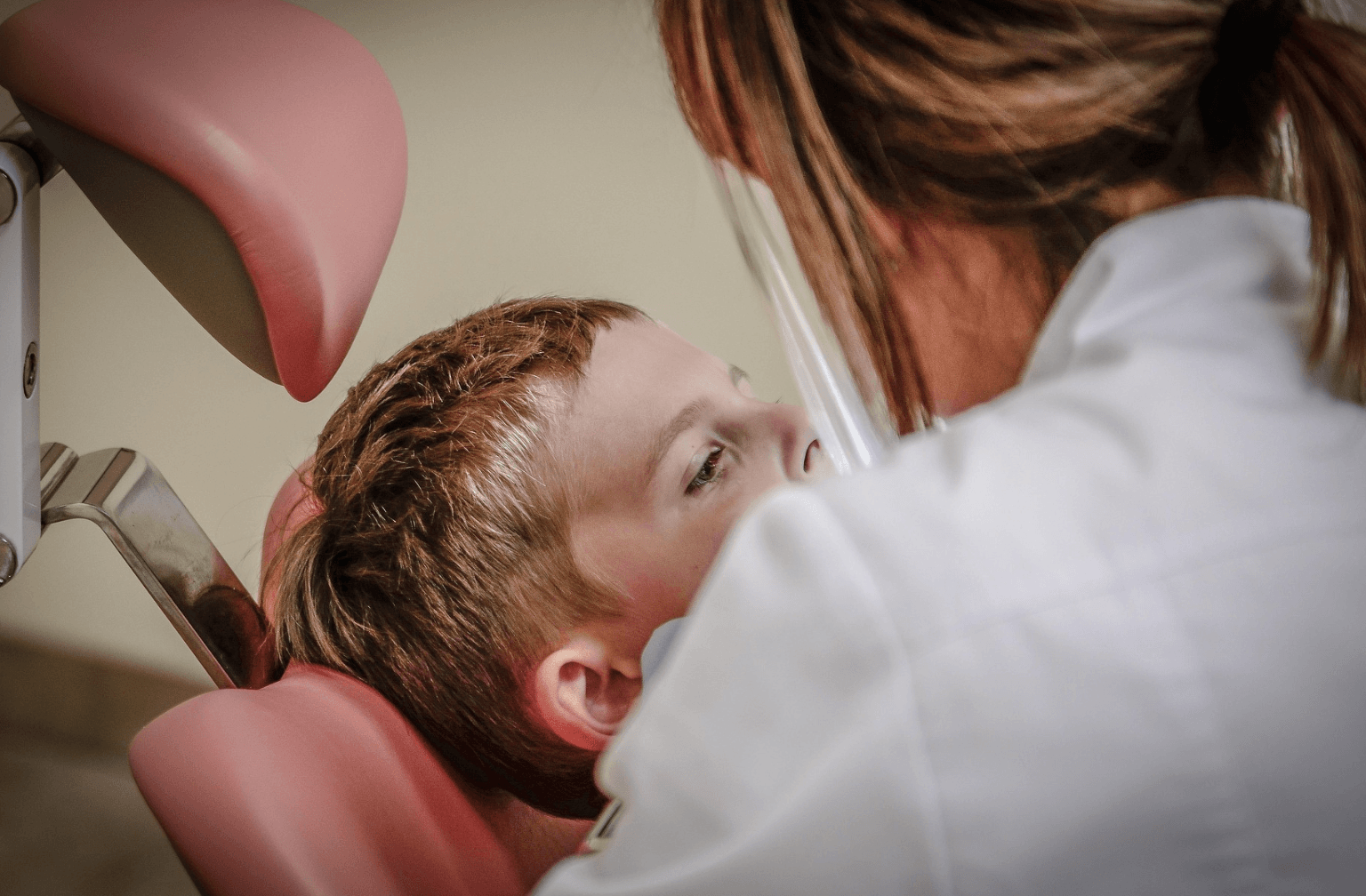
At a dental check-up the dentist looks at and feels the lips, cheeks, tongue, floor of the mouth, palate and neck. It takes a couple of minutes and is not painful. If an area looks unusual, it may be photographed and reviewed after two weeks, or you may be referred to a specialist for further tests. Only a biopsy can confirm a diagnosis.
When to get checked
See a dentist or doctor if you have a sore, patch or lump in your mouth that has lasted more than two weeks. Do not wait for it to become painful, as early changes often do not hurt.
To book an appointment at Penrith Dental Care, 42 Castlereagh Street, Penrith, call the practice or book online. We are open Monday to Friday 9am to 6:30pm and Saturday 9am to 5pm.