
How much does a tooth filling cost in Australia? There is no single price. Private dentists set their own fees, and the cost of a filling depends mainly on how big the cavity is, which tooth it is in and what material is used. At Penrith Dental Care, a filling usually costs between $150 and $400. This guide explains what changes the price, what your health fund or the Child Dental Benefits Schedule may cover, and why a small filling now usually costs less than waiting.
What affects the cost of a filling?
Two fillings are rarely the same job. These are the main things that change the fee:
- The number of tooth surfaces involved. A small filling on one surface takes less time and material than a filling that wraps around three or four surfaces. This is the biggest factor in the price.
- Front tooth or back tooth. Back teeth take more chewing force and are harder to reach, so fillings in molars often cost more than fillings in front teeth.
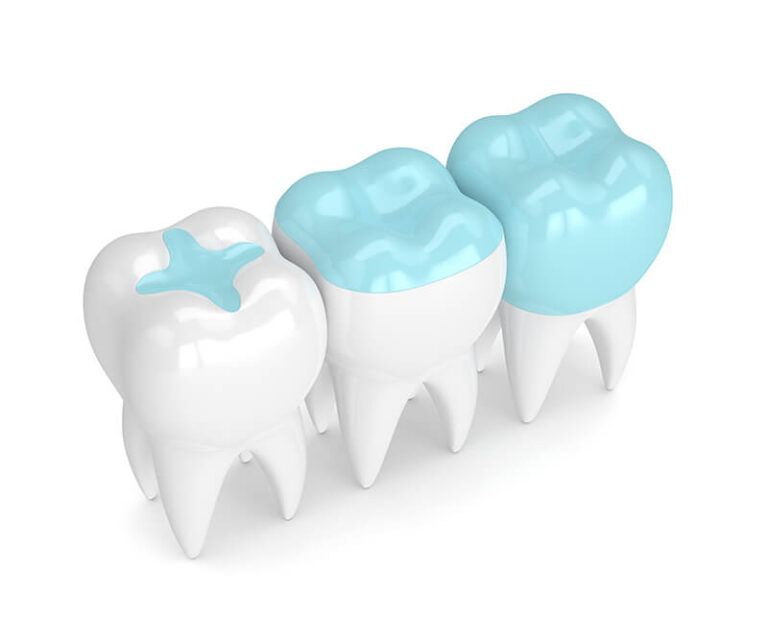
- The filling material. Tooth-coloured composite resin is the most common choice. Glass ionomer is sometimes used for small or temporary fillings and for children. Larger repairs may need a laboratory-made inlay, onlay or crown, which costs more.
- X-rays and the examination. If you have not had a recent check-up, an examination and X-rays may be needed first to see how deep the decay goes. These are charged separately from the filling.
- How deep the decay is. Decay that is close to the nerve can need extra steps to protect the tooth.
Filling costs at Penrith Dental Care
As a guide, fillings at Penrith Dental Care usually cost between $150 and $400 per tooth, depending on the size of the filling and the material. You are given the fee for your own treatment before any work starts, so you can decide with the full cost in front of you.
Read more about the types of filling we provide on our dental fillings page.
Will my health fund cover a filling?
Fillings fall under general dental in most private health extras policies. How much you get back depends on your fund, your level of cover, your annual limit and any waiting periods. The gap you pay is the dentist’s fee minus your rebate.
Health funds pay benefits by dental item number. Tooth-coloured fillings in front teeth are usually items 521 to 525, and tooth-coloured fillings in back teeth are usually items 531 to 535. The last digit is the number of tooth surfaces filled. If you ask us for the item numbers in your treatment plan, your fund can tell you your exact rebate before your appointment.
Does Medicare cover fillings?
Medicare does not cover most dental treatment for adults. There are two main exceptions:
- Child Dental Benefits Schedule (CDBS). Eligible children aged 2 to 17 can receive up to $1,158 in basic dental services over two calendar years, and fillings are included. We bulk bill eligible children. See our Child Dental Benefit Scheme page for how eligibility works.
- Public dental services. In NSW, children and adults who hold certain concession cards may be eligible for public dental care. Waiting times apply for non-urgent treatment.
Why a small filling usually costs less than waiting
Tooth decay does not heal by itself once a cavity has formed. Left alone, it grows deeper. A cavity that could have been repaired with a small filling can reach the nerve of the tooth, and at that point the tooth may need root canal treatment and a crown, which cost considerably more than a filling. Regular dental check-ups are how small cavities are found early, often before they cause any pain.
Common questions about filling costs
How much is a filling without private health insurance?
Without extras cover you pay the full fee. At Penrith Dental Care that is usually between $150 and $400 for a filling, depending on its size and material. We confirm the fee before treatment.
Why do some fillings cost more than others?
Mostly because of size. A filling that covers more surfaces of the tooth takes longer and uses more material. Fillings in back teeth and fillings close to the nerve also tend to cost more.
Is a white filling more expensive than a silver one?
Tooth-coloured composite fillings are now the standard choice at most Australian practices, including ours. The fee is set by the size and position of the filling.
How long does a filling take?
Most single fillings are completed in one visit. Larger fillings, or several fillings in one appointment, take longer.
Does getting a filling hurt?
Fillings are usually done under local anaesthetic, so the tooth is numb during treatment. Some sensitivity for a few days afterwards is common and normally settles.
How long will my filling last?
It varies with the size of the filling, where it is in the mouth, how you bite and how well the tooth is cleaned. We check your existing fillings at each check-up and tell you if one is wearing or leaking.
Book a check-up or filling in Penrith
If you think you have a cavity, or it has been a while since your last visit, call Penrith Dental Care on (02) 4733 1197 or contact us online. We are at 42 Castlereagh Street, Penrith. If you are in pain, see our emergency dentist page.
This article is general information only. Fees shown are a guide and can change. The fee for your treatment is confirmed after an examination.
Looking for more dental health tips? Browse all articles on the Penrith Dental Care blog, or meet the Penrith Dental Care team. Have a question? See our dental FAQ.
Reviewed by Mina Gibryal, Penrith Dental Care, October 2026. This article is general information and does not replace advice from your own dental practitioner.