
Tooth enamel erosion is the gradual loss of the hard outer layer of the tooth, caused by acid. The acid softens the enamel and normal wear then removes the softened surface. Enamel does not grow back, so the aim is to find erosion early and stop it getting worse. This guide covers the causes, the signs, and how eroded teeth are treated.
What causes enamel erosion?
The acid that erodes enamel comes from two places.
- Food and drink. Soft drinks, sports and energy drinks, fruit juice, citrus fruit, wine and vinegar are all acidic. Sipping them slowly over a long time does more damage than having them with a meal.
- Stomach acid. Reflux and frequent vomiting bring stomach acid into the mouth.
- A dry mouth. Saliva neutralises acid. If you make less saliva, for example because of some medicines, your teeth have less protection.
Signs of enamel loss
- teeth that look more yellow, because the darker layer under the enamel is showing through
- sensitivity to hot, cold or sweet food and drink
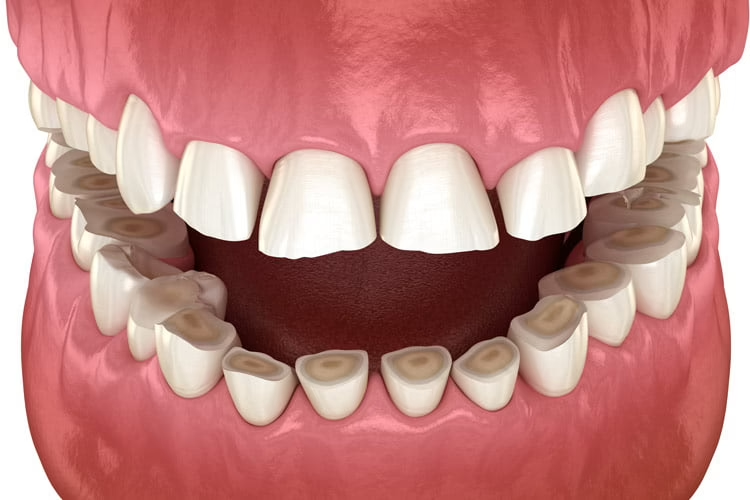
- front teeth that look shorter, thinner or see-through at the edges
- edges that chip easily or feel sharp
- smooth, shiny or hollowed areas on the biting surfaces
- fillings that seem to stand higher than the tooth around them
The stages of enamel erosion
- Early. The enamel surface becomes smooth and glassy. There may be mild sensitivity and nothing else to see.
- Moderate. The teeth yellow as the enamel thins. Small dips form on the biting surfaces and the edges of the front teeth start to look translucent.
- Advanced. The layer under the enamel is exposed. Teeth are sensitive, chip easily and become noticeably shorter.
Enamel erosion on front teeth
Erosion often shows first on the front teeth, because they are thin and are the first teeth acidic drinks touch. The inside surfaces of the upper front teeth are commonly affected when the acid comes from reflux or vomiting. If the edges of your front teeth look thinner or more transparent than they used to, have them checked.
Can tooth enamel grow back?
No. Once enamel is lost the body cannot replace it. Enamel that has been softened but not yet worn away can be strengthened with fluoride, which is why early advice and treatment make a difference.
How to protect your enamel
- Cut down on acidic drinks and keep them to mealtimes.
- Use a straw for acidic drinks and do not swish them around your mouth.
- Rinse with water after acidic food or drink, and choose water between meals.
- Chew sugar-free gum to increase saliva.
- Wait at least 30 minutes before brushing after an acidic drink or after vomiting. Acid softens the enamel for a short time, and brushing straight away wears it faster.
- Brush with a soft toothbrush and fluoride toothpaste.
- If you have reflux or frequent vomiting, see your GP.
How is enamel erosion treated?
Treatment depends on how much enamel has been lost.
- Finding and reducing the cause. This is the first step in every case.
- Fluoride. Fluoride varnish or other strengthening treatments can protect softened enamel and reduce sensitivity. See fluoride treatment.
- Bonding or fillings. Tooth-coloured material can cover worn areas and rebuild chipped edges. See composite bonding.
- Veneers or crowns. More heavily worn teeth may need veneers or crowns to restore their shape and protect what remains.
Enamel erosion FAQs
Is enamel erosion the same as tooth decay?
No. Decay is caused by acid made by plaque bacteria from sugar, and it creates cavities. Erosion is caused by acid from food, drink or the stomach and wears the surface away more evenly. You can have both.
Does sparkling water erode enamel?
Plain sparkling water is only mildly acidic and far less erosive than soft drink or juice. Flavoured sparkling waters with citrus are more acidic.
Why are my teeth suddenly sensitive?
Enamel loss is one cause, but there are others. Read what causes tooth sensitivity? and book a check-up if it does not settle.
Book a check-up in Penrith
Erosion is easy to miss in its early stages, and a dental check-up is the simplest way to find it. Book a dental check-up at Penrith Dental Care, or contact us with any questions.
Source: Healthdirect Australia, Dental erosion (last reviewed July 2025). This article is general information only and does not replace an assessment with a registered dental practitioner.
Looking for more dental health tips? Browse all articles on the Penrith Dental Care blog, or meet the Penrith Dental Care team. Have a question? See our dental FAQ.
Reviewed by Mina Gibryal, Penrith Dental Care, October 2026. This article is general information and does not replace advice from your own dental practitioner.